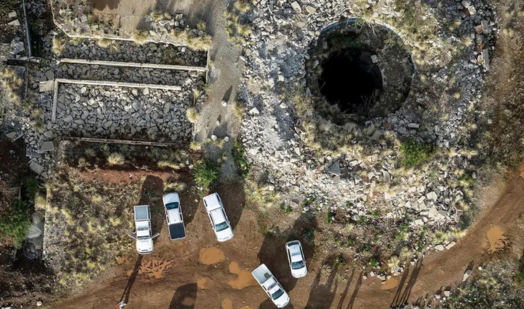
10 Catastrophic incidents

Catastrophic Incidents -Mining and Process Safety in South Africa
Investigations failed to establish the causes of these incidents

Process safety incidents are characterized by their low frequency but high impact. PSM is a structured, systematic approach to identifying, assessing, and mitigating risks associated with hazardous processes in high-risk industries, including mining, nuclear, construction, oil and gas, petrochemical, and energy sectors. By integrating engineering controls, operational discipline, and management oversight, PSM safeguards people, assets, and the environment.

Process safety management (PSM) is a blend of engineering, operations and management skills focused on preventing catastrophic accidents, particularly structural collapse, explosions, fires and toxic releases associated with loss of containment of energy or dangerous substances such as toxic gases, molten metal, chemicals and petroleum products.

Here are some historic mining and process safety investigations that failed to establish the causes in South Africa: 

.
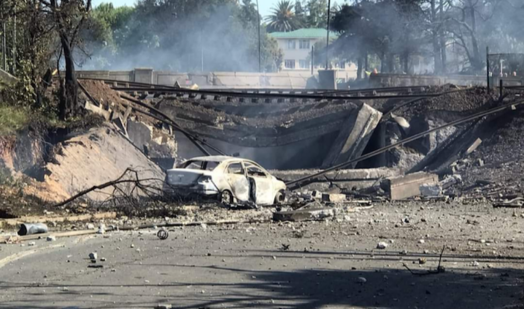
  • Boksburg Tanker Explosion (December 2022)
    • Location: Boksburg, Gauteng
    • Incident: A fuel tanker transporting liquefied petroleum gas (LPG) exploded after getting stuck under a low bridge.
    • Impact:
      • Over 40 fatalities, including hospital staff and children.
      • Dozens injured, with many suffering severe burns.
      • Significant infrastructure damage to nearby buildings and vehicles.
    • Cause: Likely attributed to route planning errors and insufficient clearance for large vehicles. Inadequate emergency preparedness and response by the authorities, contributed to the fatality count.
    • No official Report
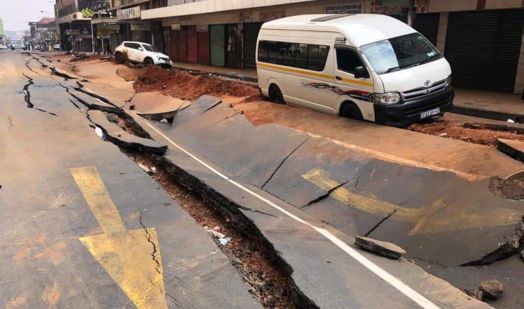
  • Bree Street Gas Explosion (July 2023)
    • Location: Johannesburg CBD, Gauteng
    • Incident: An underground gas explosion caused extensive damage along Bree Street.
    • Impact:
      • Roads and pavements collapsed.
      • Vehicles overturned, and surrounding structures were affected.
      • No confirmed fatalities, though injuries and disruptions were reported.
    • Cause: Investigations pointed to methane gas leaks in aging underground infrastructure.
    • No official report
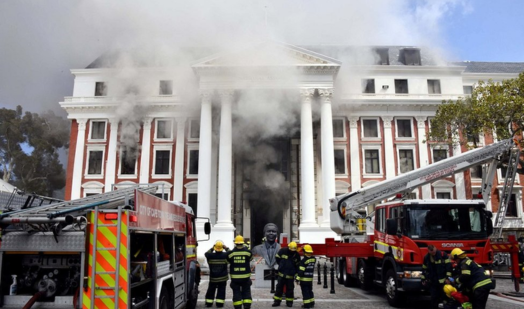
  • Parliament Fire (January 2022)
    • Location: Cape Town, Western Cape
    • Incident: A fire broke out in the parliamentary precinct, destroying sections of the National Assembly and Old Assembly buildings.
    • Impact:
      • Significant loss of historical records and infrastructure.
      • Major disruption to parliamentary operations.
    • Cause: Alleged arson, compounded by inadequate fire detection and suppression systems.
    • No official report
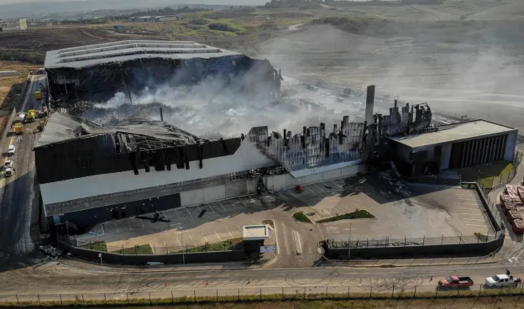
  • KZN Chemical Spill (July 2021)
    • Location: Durban, KwaZulu-Natal
    • Incident: During the unrest in KZN, a chemical warehouse was set ablaze, resulting in a toxic spill into local rivers and the ocean.
    • Impact:
      • Devastation of aquatic ecosystems.
      • Contamination of water supplies, affecting communities and businesses.
      • Health concerns due to exposure to hazardous chemicals.
    • Cause: Arson and lack of proper containment measures for hazardous materials.
    • No official report.
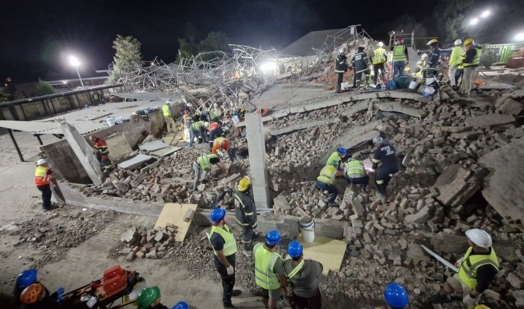
  • George Building Collapse (August 2024)
    • Location: George, Western Cape
    • Incident: A structural failure led to the collapse of a building under construction.
    • Impact:
      • Three fatalities and several injuries among construction workers.
      • Raised concerns about compliance with construction safety standards.
    • Cause: Likely linked to engineering design flaws or non-compliance with building codes. BEEE Codes and construction mafia.
    • No official report.
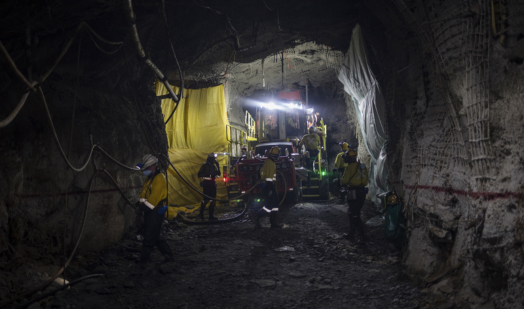
  • Impala Platinum Mine Conveyance Elevator Incident (November 2023)
    • Location: Rustenburg, Northwest Province
    • Incident: A personnel conveyance elevator in Shaft 11 plummeted approximately 200 meters, marking one of the darkest days in South Africa’s mining history.
    • Impact:
      • Fatalities: 13 miners lost their lives; 11 at the scene and 2 succumbed to injuries in the hospital.
      • 73 miners sustained injuries and were hospitalized.
    • Cause: The elevator unexpectedly reversed direction during ascent and plummeted, with investigations focusing on technical and procedural failures.
    • No report
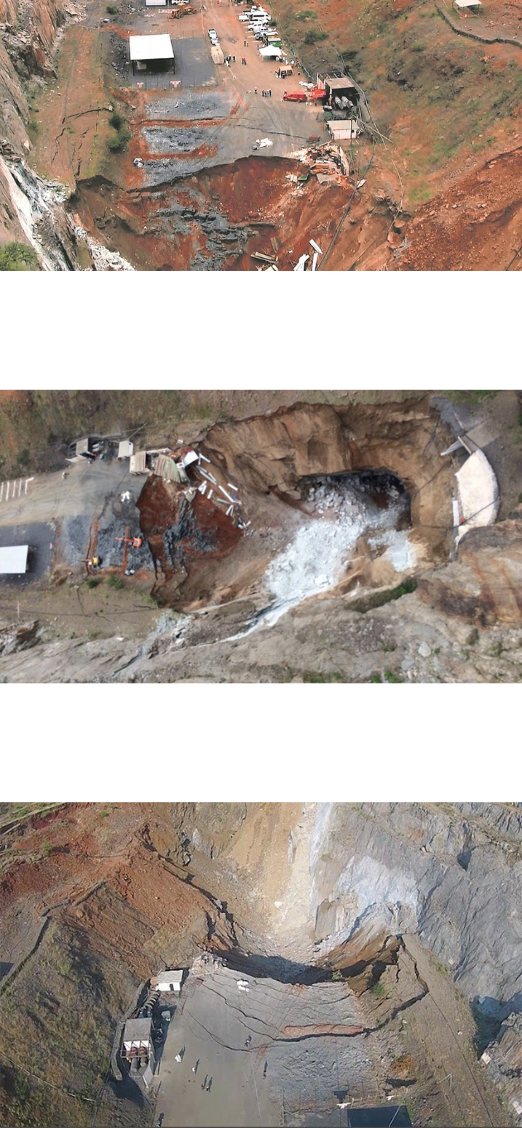
  • Lilly Mine Collapse (February 2016)
    • Location: Barberton, Mpumalanga
    • Incident: A container used as an office sank into a sinkhole after a mine shaft collapsed, trapping three workers underground.
    • Impact:
      • Fatalities: The three trapped workers were never recovered and presumed dead.
      • Highlighted severe gaps in mine safety protocols.
    • Cause: Structural instability within the mine, potentially exacerbated byinadequate safety and risk assessments.
    • Various Reports Reveals the following facts  : The Lily Mine disaster investigation report was released in March 2018. The report was submitted to the mine's owner, the National Prosecuting Authority (NPA), and the families of the victims. 
    • Findings
    • The report found that the mine's owner and management were not liable for the incident. 
    • The report highlighted that illegal mining was a direct cause of the incident. 
    • The report recommended that the NPA declare the missing employees presumed dead. 
    • The report recommended that the NPA prosecute employer representatives for culpable homicide. 
    • The report recommended that the Department develop a new ventilation shaft to retrieve the container and clear the air underground. 
    • The investigation report highlighted that the crown pillar was never viewed as a potential risk by the rock engineers since 2008. In addition, the report places emphasis on the fact that no unsafe conditions or procedures were implemented or actioned by the mine management team, professional rock engineers or mining personnel that may have contributed to or caused the accident.
    •  More emphasis was placed on the fact that illegal mining activities cannot be overruled as a direct cause of the incident. The report thus found that the employer /owner of the mine, including the mine management were not liable for the incident.
    • The Department of Mineral Resources (“DMR”) also undertook its statutory obligations in terms of the MHSA. The DMR investigation commenced on the 28th of June 2016 and the final report was produced on the 12th of March 2018 in terms of section 72(1)(b) of the Mine Health and Safety Act 29 of 1996.
    • The general recommendations from this investigation were that no buildings, railways, or any structure should be constructed above the rehabilitated land. It further recommended a comprehensive investigation and detailed risk assessment covering occupational hygiene, engineering, and rock geology to be undertaken. Notably, the report failed to establish the causes of the accident
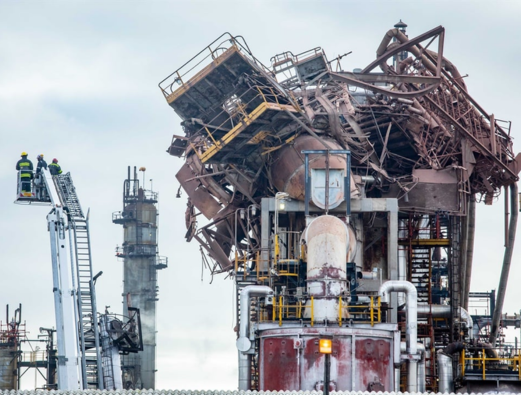
  • Astron Energy Refinery Explosion (July 2020)
    • Location: Cape Town, Western Cape
    • Incident: An explosion occurred at the Astron Energy Refinery in Milnerton, Cape Town, during the early hours of the morning.
    • Impact:
      • Two fatalities and several injuries among workers.
      • Significant damage to refinery infrastructure, leading to operational shutdowns.
      • Raised public concerns about refinery safety standards and aging infrastructure.
    • Cause: Preliminary investigations pointed to a fault in a liquefied petroleum gas (LPG) unit.
    • No Official report by DOL
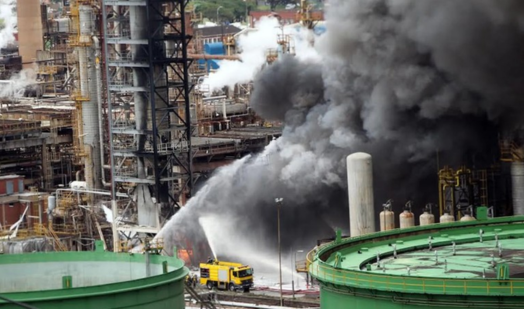
  • Engen Refinery Explosion (December 2020)
    • Location: Durban, KwaZulu-Natal
    • Incident: An explosion and subsequent fire occurred at the Engen Refinery in Durban, one of South Africa's largest oil refineries.
    • Impact:
      • Several injuries among workers and local residents due to smoke inhalation and the explosion’s force.
      • Nearby homes and businesses sustained damage.
    • Cause: The incident was attributed to equipment failure, sparking discussions on aging infrastructure and maintenance lapses in South Africa’s oil refineries.
    • No Official report by DOL
  • Illegal Mining: Zama Zamas – A Long-Term Problem in Stilfontein, 2025
    •  The Stilfontein saga began in August 2024 when the police intervened at the mine, cutting off the illegal miners' supply of food and water and arresting those who surfaced. Since then, nearly 2,000 Zama Zamas have been arrested, and 87 bodies have been recovered from the mine. Of the arrested miners:1,125 were Mozambican,465 were Zimbabwean,200 were from Lesotho, 26 were South African.

Despite differ contributing factors

Causes are, the government’s reactive approach to illegal mining remains consistent, with a lack of effective law enforcement being a central issue. This is compounded by the government's failure to properly regulate mine closures and rehabilitation in South Africa.

The Auditor-General’s report from February 2022 harshly criticized the Department of Mineral Resources and Energy for its inaction over the past decade. Despite the availability of R50–R60 billion in a mine closure fund, little has been done to effectively shut down and rehabilitate mines.

Opposition parties, spokesperson on mineral and petroleum resources, have called on President Cyril Ramaphosa to immediately establish an inquest. This would aim to hold accountable those who neglected their duties and ensure such situations are prevented in the future. 

Impact Illegal mining and its associated networks of bosses and handlers have caused significant damage to South Africa’s economy and disrupted the lives of tens of thousands of South Africans.

Critics argue that both the South African Police Service (SAPS) and the Department of Mineral Resources and Energy have contributed to the failure, making them unsuitable authorities to investigate this debacle

In Summary

The lack of official reports leaves the public, professionals, practitioners, and industry in the dark, fostering speculation and raising concerns about potential cover-ups to avoid accountability. Neither the Occupational Health and Safety Act (OHSA) nor the Mine Health and Safety Act (MHSA) mandates public disclosure of investigation findings, creating a legal gap that undermines transparency.

Without verified root cause analyses, reliance on media speculation underscores the urgent need for proactive transparency and accountability to facilitate learning. Industry must enhance its own process safety standards to mitigate risks across operations. The government and legislation remain reactive, as evidenced by the cases above. They lack the competence, infrastructure, and enforcement capacity to hold non-compliant companies accountable or to prosecute offenders effectively.

Personal safety programs, such as slip, trip, and fall initiatives, failed to safeguard infrastructure, prevent catastrophic damage, and protect the lives of employees and the public.

 

Book a PSM Workshop
© 2022 | iStec Training | All Rights Reserved | Designed & Developed by ThinkTank Creative
linkedin facebook pinterest youtube rss twitter instagram facebook-blank rss-blank linkedin-blank pinterest youtube twitter instagram