Get In Touch
Phone: +27 (0) 13 004 0001 | Email: info@istectraining.com |
Cell: +27 (0) 84 803 2327
Phone: +27 (0) 13 004 0001
Email: admin@istecsafety.com

Process safety incidents are characterized by their low frequency but high impact. PSM is a structured, systematic approach to identifying, assessing, and mitigating risks associated with hazardous processes in high-risk industries, including mining, nuclear, construction, oil and gas, petrochemical, and energy sectors. By integrating engineering controls, operational discipline, and management oversight, PSM safeguards people, assets, and the environment.
Process safety management (PSM) is a blend of engineering, operations and management skills focused on preventing catastrophic accidents, particularly structural collapse, explosions, fires and toxic releases associated with loss of containment of energy or dangerous substances such as toxic gases, molten metal, chemicals and petroleum products.
Here are some historic mining and process safety investigations that failed to establish the causes in South Africa:
.
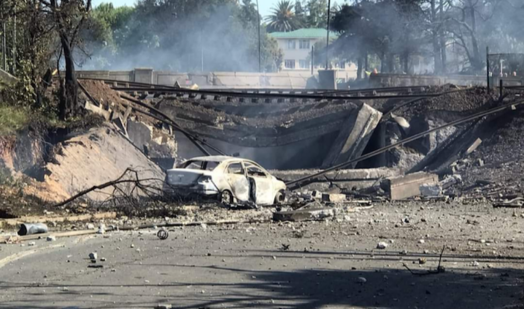
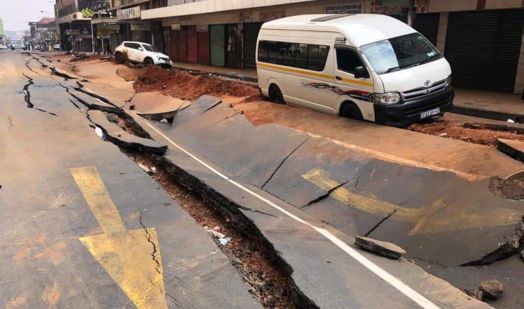
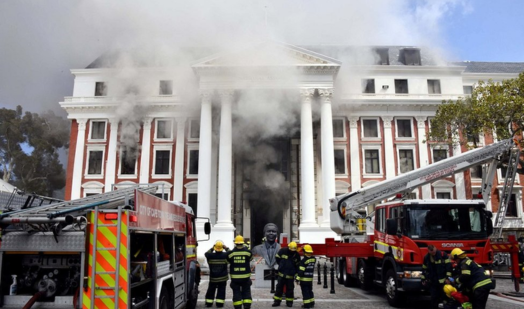
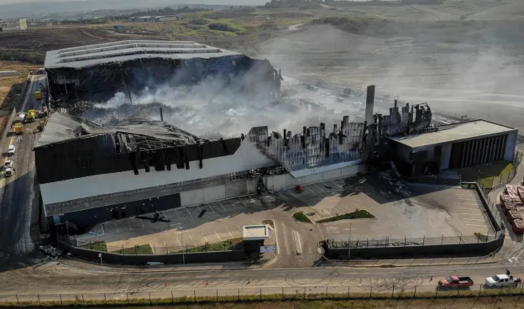
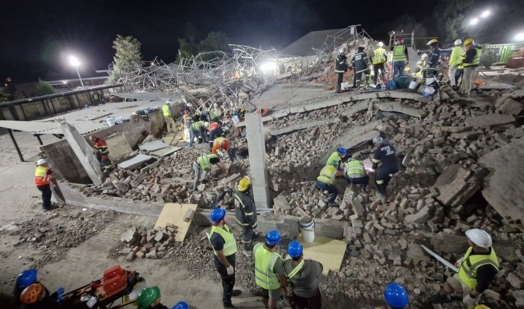
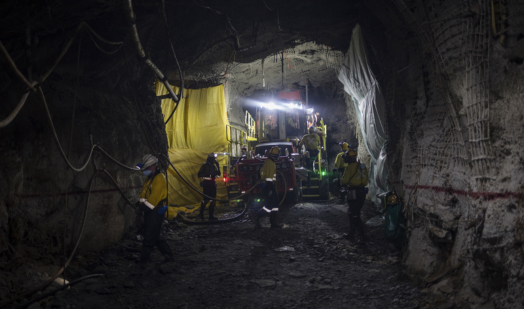
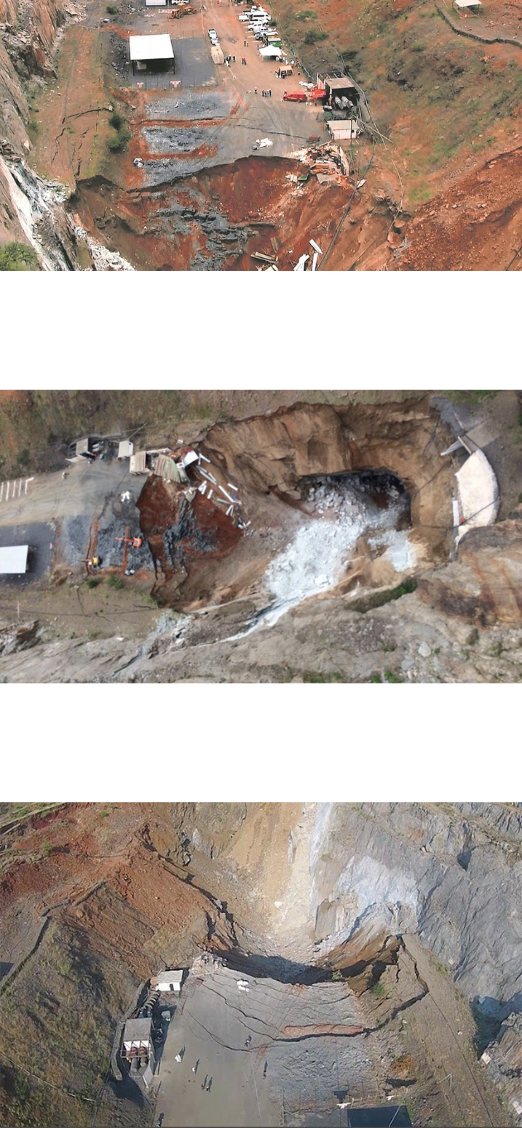
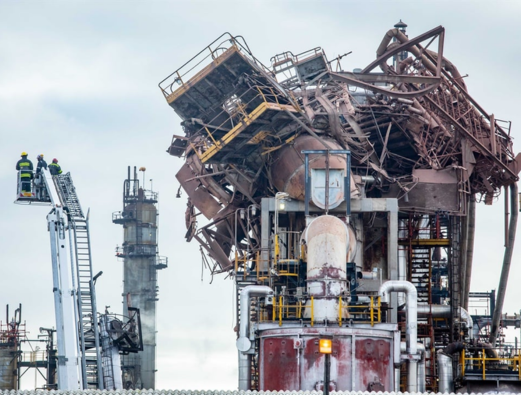
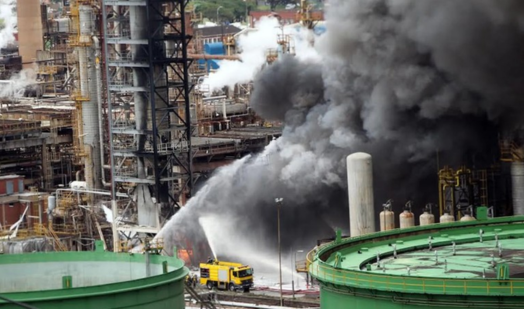
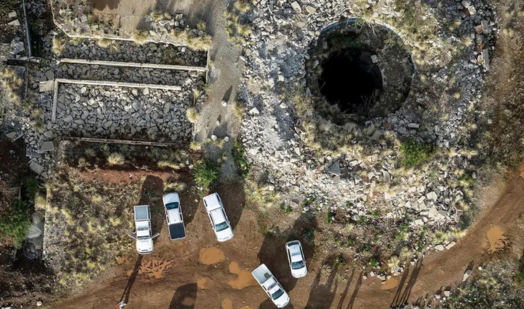
Despite differ contributing factors
Causes are, the government’s reactive approach to illegal mining remains consistent, with a lack of effective law enforcement being a central issue. This is compounded by the government's failure to properly regulate mine closures and rehabilitation in South Africa.
The Auditor-General’s report from February 2022 harshly criticized the Department of Mineral Resources and Energy for its inaction over the past decade. Despite the availability of R50–R60 billion in a mine closure fund, little has been done to effectively shut down and rehabilitate mines.
Opposition parties, spokesperson on mineral and petroleum resources, have called on President Cyril Ramaphosa to immediately establish an inquest. This would aim to hold accountable those who neglected their duties and ensure such situations are prevented in the future.
Impact Illegal mining and its associated networks of bosses and handlers have caused significant damage to South Africa’s economy and disrupted the lives of tens of thousands of South Africans.
Critics argue that both the South African Police Service (SAPS) and the Department of Mineral Resources and Energy have contributed to the failure, making them unsuitable authorities to investigate this debacle
In Summary
The lack of official reports leaves the public, professionals, practitioners, and industry in the dark, fostering speculation and raising concerns about potential cover-ups to avoid accountability. Neither the Occupational Health and Safety Act (OHSA) nor the Mine Health and Safety Act (MHSA) mandates public disclosure of investigation findings, creating a legal gap that undermines transparency.
Without verified root cause analyses, reliance on media speculation underscores the urgent need for proactive transparency and accountability to facilitate learning. Industry must enhance its own process safety standards to mitigate risks across operations. The government and legislation remain reactive, as evidenced by the cases above. They lack the competence, infrastructure, and enforcement capacity to hold non-compliant companies accountable or to prosecute offenders effectively.
Personal safety programs, such as slip, trip, and fall initiatives, failed to safeguard infrastructure, prevent catastrophic damage, and protect the lives of employees and the public.